And here we are, once again, at the last post of the year.
Before wishing you all happy holidays and a peaceful 2019, I wanted to look back and have a quick reflection on what 2018 was about, especially in terms of financing and concessions.
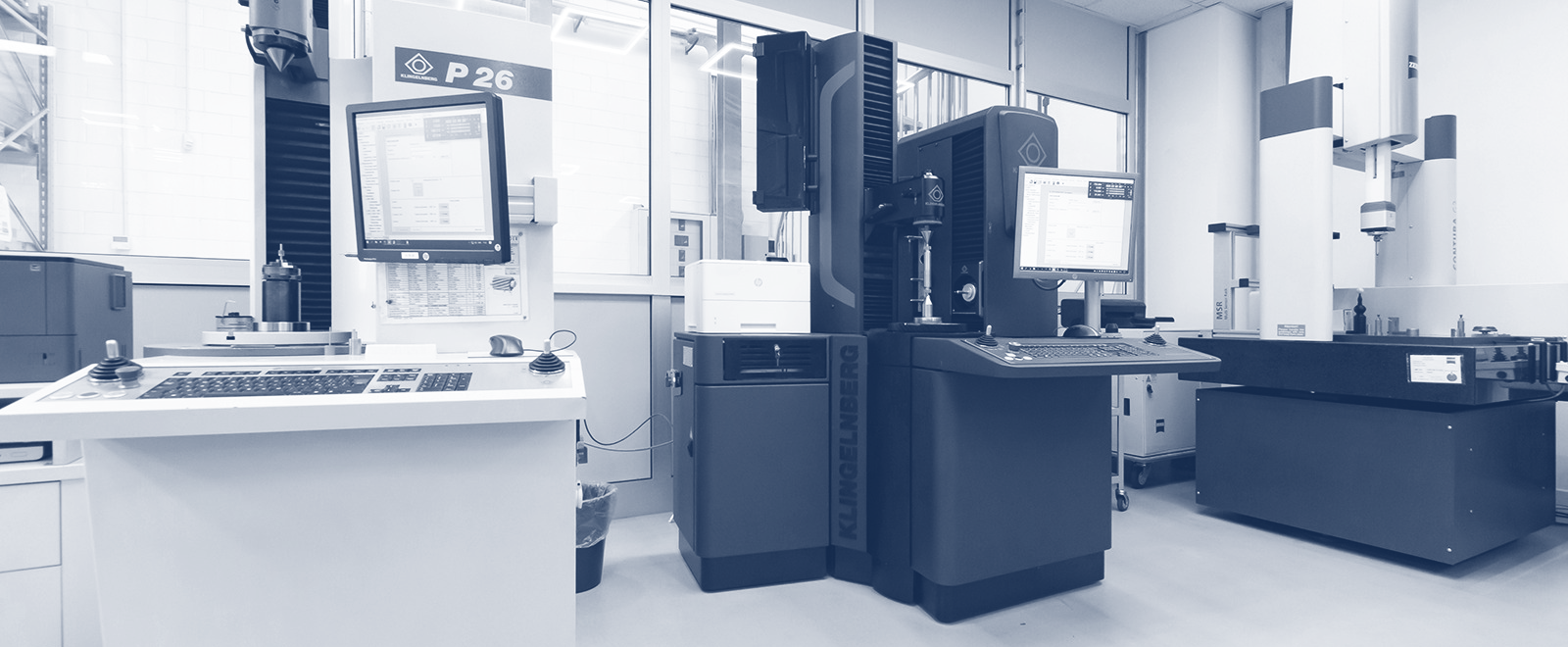
This year, in fact, MICROingranaggi received the ok for the so-called Al Via call for proposals, an initiative launched by the Lombardy Region, aimed at supporting investments by SMEs in order to relaunch the production system of our country. In practice it was the granting of a medium-long term loan intended – in fact – for the most virtuous Lombard companies who would be investing in advanced technologies (regardless of financing), with a view to offering them a sort of incentive.
This logic has substantially rewarded few companies, cutting out all those enterprises that would have used these resources to finance their structure in distress (which unfortunately we see happen quite a lot).
The Al Via call for proposals was therefore a tailor-made initiative for a company such as MICROingranaggi, because all the investments subject to financing had already been planned and determined economically.
The experience – in general – has in fact been positive, though – and this I must admit – quite challenging because it required a great deal of time and energy in the first place to gather all the necessary documentation and then to follow the procedure.
While, on the one hand, it is not easy to access subsidies and financing (and here I refer, for example, to tax relief such as hyper-depreciation or the granting of loans by the State and the Regions) due to the requirements of a certain level, on the other hand, once approval has been received from those in authority, it is also difficult to manage its implementation.
And this – in my opinion – should be budgeted a priori, to avoid finding yourself in situations that are unpleasant and difficult to manage along the way.
In our specific case, for example, due to a contingency not dependent on us, we suffered a delay in the actual disbursement of funds. An unforeseen matter that resulted in us tapping into our corporate liquidity to pay the first part of the investments.
But what would have happened if we had not had liquidity? We would have had to have asked for a bank loan to carry on the investment. A loan on which – as you can well imagine – we would have paid interest. Interest that would certainly have had a big impact in the overall budget of the entire operation.
Fortunately for MICROingranaggi the situation has resolved in the best way possible and, therefore, I feel obliged to thank personally and on behalf of the whole company Mr. Stefano Gernone of the EIS group (European International Services Srl) of Segrate and Mr. Manola Perucconi, head of API’s financial services, as well as – more in general – the Buccinasco branch of Monte dei Paschi di Siena. It was in fact also thanks to the availability and tenacity of these persons that we managed to achieve the goals we had set ourselves.