During a conference organized last week by the A.P.I. – Association of Small and Medium-Sized Industries, a topic was raised that prompted considerable reflection because it directly affects us as well.
On one hand, we experience its consequences as a manufacturing company. On the other, we are also in a position where we might—and perhaps should—take concrete action to help address the issue.
The central challenge is Italy’s sharp demographic decline, accompanied by a structural shortage of workers, particularly skilled technicians, whose expertise is essential to the manufacturing industry.
All of this is happening at an already complex moment.
On one side, we are witnessing the extraordinarily rapid evolution of a technology—artificial intelligence—that I personally find fascinating, but also somewhat unsettling because, at this stage, we still do not fully understand all of its implications.
On the other side, we are seeing a significant increase in the number of children diagnosed with conditions such as autism spectrum disorders, behavioral disorders, and complex disabilities. This is, in many respects, a more vulnerable generation that requires continuous, competent, and multidisciplinary educational support.
Let’s begin with these two issues: a generation that is, at least in part, more vulnerable, and the rise of artificial intelligence.
The first question that naturally comes to mind is this:
If technology takes over repetitive tasks, leaving people to focus on activities that require creativity, problem-solving, and human interaction, do we risk excluding precisely those individuals who, by circumstance or personal choice, are more vulnerable?
Like many others, I believe artificial intelligence represents a tremendous opportunity. It can free people from repetitive work, reduce the burden of routine tasks, and allow human skills to create greater value.
At the same time, however, not every manufacturing activity can be automated. Many jobs will continue to require human involvement.
Moreover, if properly integrated into education and supported by appropriate tools, AI could become a powerful way of introducing younger generations to technical professions and manufacturing knowledge that today often struggle to attract interest.
History also teaches us that technological revolutions rarely eliminate work altogether—they transform it, creating entirely new professions along the way.
That said, one thing is perfectly clear.
Young people need guidance, encouragement, and support.
From whom? Certainly from schools, public institutions, and families. But I also believe that businesses can—and should—play an important role.
Not necessarily starting in primary school, because that would be too early, and it is right that schools and educational institutions lead career guidance at that stage.
At the same time, waiting until the end of a student’s educational journey, through initiatives such as work-based learning programs or internships, is often too late to make a meaningful impact.
We believe that companies should begin engaging with students as early as middle school. That is the stage when many of the most important educational choices are made—often without young people having any real understanding of the opportunities available to them.
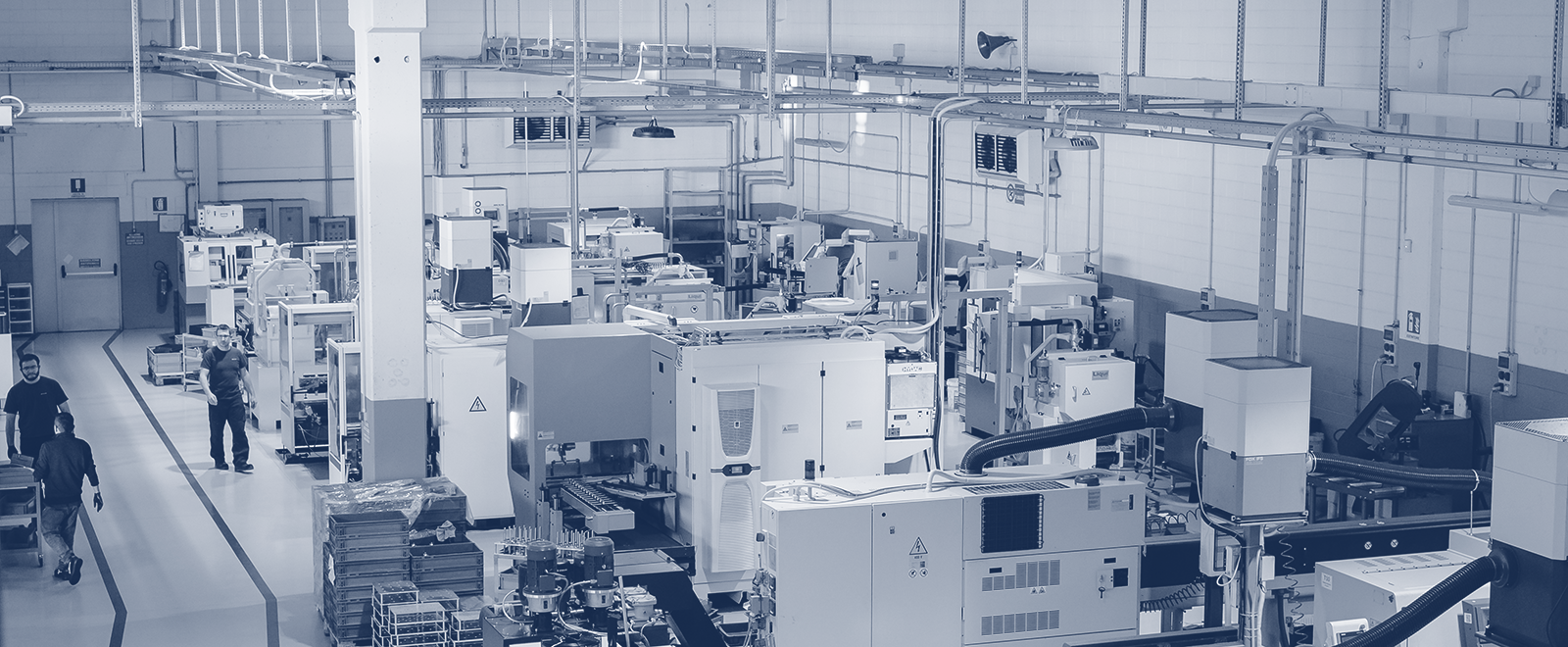
At MICROingranaggi, we have been considering initiatives that would invite local middle school students to visit our facilities, experience a modern precision manufacturing environment firsthand, understand how a mechanical workshop operates, and discover the skills required to work in our industry.
Perhaps that could truly be the right path forward.
What do you think?