Not long ago, a colleague told us about a machine tool he had purchased from the United States. It was supposed to arrive on Thursday, but the delivery was postponed first to Friday and then again to Monday. After two delays and with the installation team no longer able to coordinate their schedules, he had no choice but to have the machine unloaded into the yard, still inside its enormous wooden crate—a nine-ton shipment sitting outside the factory gates for several days.
To avoid any problems, he even had to hire security guards to watch over it overnight until it could finally be installed.
With delivery dates changing at the last minute, oversized packaging and installation delays, this is a perfect example of how the weakest link is often not the technology itself, but everything that is supposed to make it work.
Why tell this story? Because, in one way or another, it is something that affects—or could affect—all of us.
As we all know, we live in a global marketplace. Today we can purchase products and components from thousands of kilometers away and receive them in a timeframe that, until only a few years ago, would have seemed unimaginable.
That is undeniable—almost taken for granted.
Yet I remain convinced of one thing.
Italian companies—and perhaps European companies more broadly—will continue to favor local suppliers, especially when dealing with complex technologies or highly integrated mechanical systems.
Perhaps not every company. Perhaps not even you or me.
But many still will.
Whether because of language, culture, or an almost instinctive sense of familiarity, many manufacturers are willing to pay a premium for the confidence that comes from working with a supplier who delivers quality, reliability, and direct communication with someone who truly “speaks the same language.”
Purchasing from China—or, more generally, from suppliers in the Far East—can still introduce additional complexity. Whenever possible, many companies would rather avoid that complexity.
For this preference to remain justified, however, two conditions are essential.
First, the product—or the technology behind it—must be of outstanding quality.
Second, the service must work.
It’s no longer enough to promise excellent service or mention it in a brochure.
Quality and service have to be real.
Unfortunately, they are not always as reliable as we would like, as the example at the beginning of this article clearly illustrates.
In my opinion, if the level of service falls short, switching to an Asian supplier can happen much faster than many companies expect. The same applies if product quality begins to decline.
We still tend to picture Asian factories as enormous buildings filled with countless people assembling products by hand.
The reality today is very different.
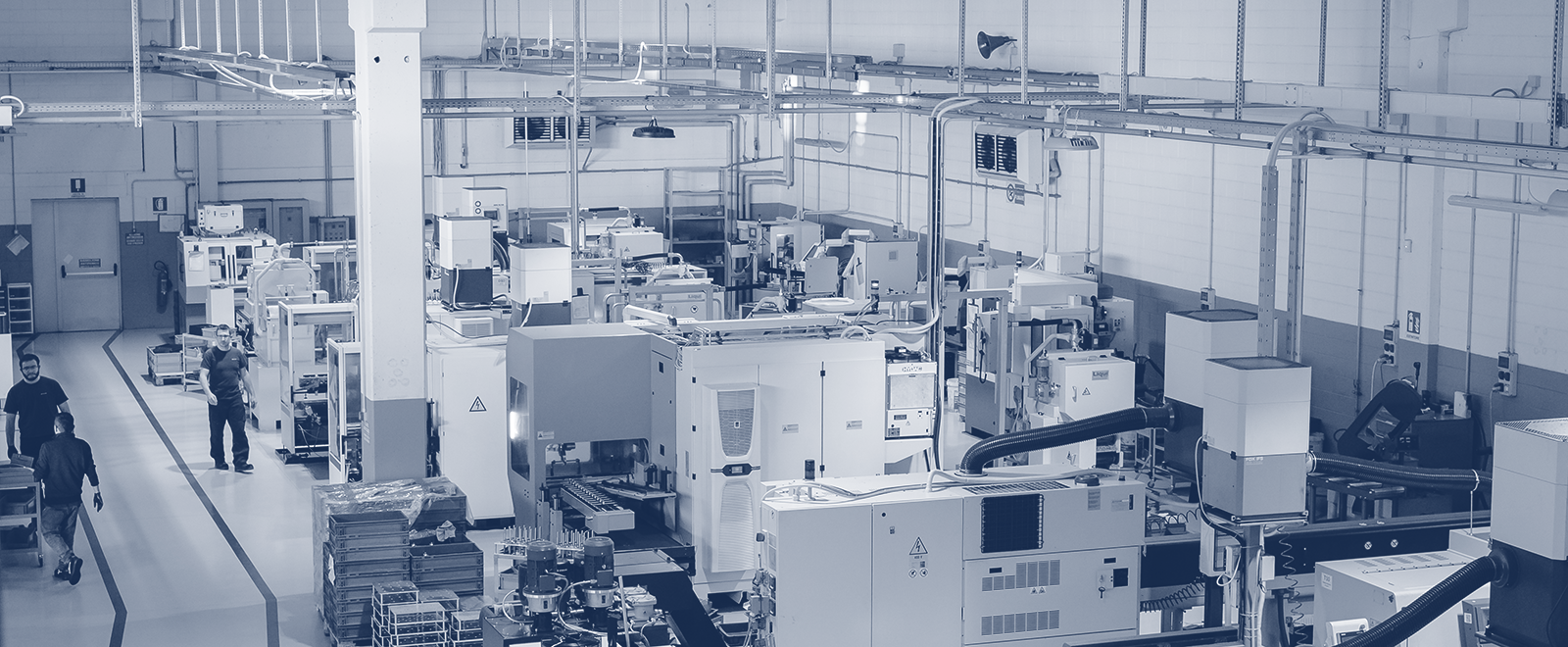
Many of these facilities are highly automated, with robots working in perfect synchronization, and the quality of their products continues to improve year after year. In many cases, it has already reached—and sometimes even matched—the standards we have traditionally associated with European manufacturing.